How to Read Food Labels for Hidden Gluten in Australia
Hidden gluten is everywhere — even in products you'd never suspect. Learn how to read food labels like a celiac, and discover the sneaky ingredients to always watch out for.
Giselle Meireles
5/27/20265 min read
The Foods I Thought Were Safe — But Weren't
After my celiac diagnosis, I felt confident I knew what to avoid. Bread, pasta, anything obviously made with wheat. Simple, right?
Wrong.
In those first weeks, I kept eating certain foods without thinking twice — soy sauce at Japanese restaurants, mustard on my meals, gelatine lollies as a snack. They seemed harmless. They didn't taste like bread. Nobody warned me about them.
It wasn't until I started researching more deeply that I realised how many everyday products contain hidden gluten — often under ingredient names I didn't recognise at all. And I'm not alone. This is one of the most common mistakes newly diagnosed celiacs make, and it's not because we're careless. It's because the food industry uses dozens of names for gluten-containing ingredients that most people have never heard of.
This article is what I wish someone had handed me on the day of my diagnosis.
Why Hidden Gluten Is Such a Problem for Celiacs
For someone with celiac disease, even tiny amounts of gluten — as little as 20 parts per million — can trigger an immune response and cause intestinal damage. You don't need to eat a whole slice of bread to react. A splash of soy sauce, a spoonful of the wrong condiment, or a product processed on shared equipment can be enough.
This is why reading labels carefully isn't optional for celiacs — it's essential, every single time, even for products you've bought before. Manufacturers change recipes without warning, and a product that was safe last month may not be safe today.
The Sneaky Names for Gluten on Australian Labels
This is the list I needed when I was first diagnosed. Gluten can hide under many names — here are the most common ones to watch for:
Obvious Sources of Gluten:
Wheat (including wheat starch, wheat germ, wheat bran, wheat flour)
Barley (including barley malt, barley extract, barley flour)
Rye
Oats (unless certified gluten-free — see below)
Spelt
Kamut
Triticale
Semolina
Durum
Farro
Einkorn
Hidden Names That Mean Gluten:
Malt — almost always derived from barley. Found in malt vinegar, malt extract, malted milk, malted barley flour
Malt vinegar — not safe for celiacs (regular white vinegar or apple cider vinegar is fine)
Soy sauce — traditional soy sauce contains wheat. This caught me out at Japanese restaurants many times before my diagnosis
Teriyaki sauce — usually contains soy sauce, therefore contains wheat
Hoisin sauce — often contains wheat flour
Modified starch or food starch — can be derived from wheat unless specified otherwise
Hydrolysed vegetable protein (HVP) — may be derived from wheat
Hydrolysed wheat protein — clearly wheat-derived but easy to miss in small print
Dextrin — usually corn-based but can be wheat-derived
Glucose syrup — usually safe, but if derived from wheat must be declared in Australia
Caramel colour — generally safe in Australia, but worth checking
Natural flavours or artificial flavours — occasionally wheat-derived; when in doubt, contact the manufacturer
Gelatine-based lollies — many contain glucose syrup or starch that may be wheat-derived; always check the label
Products That Surprised Me
🍣 Soy Sauce
This one caught me out repeatedly in the early days. Traditional Japanese soy sauce (shoyu) is made with fermented wheat and soybeans. When eating at Japanese restaurants — sushi, teriyaki, ramen — soy sauce is in almost everything.
What to do: Ask for tamari instead. Tamari is a Japanese sauce made without wheat (always double-check the label — some tamari brands do contain a small amount of wheat). Most Asian grocery stores and supermarkets stock gluten-free tamari.
🌭 Mustard
Many commercial mustard products contain wheat flour as a thickener or use malt vinegar. This surprised me — mustard seems so simple.
What to do: Look for mustards that specifically state "gluten-free" on the label. Dijon mustard is often safer as it traditionally uses white wine rather than malt vinegar, but always verify.
🍬 Gelatine Lollies
I used to grab these as a snack thinking they were fine — no flour, no grains. But many gelatine-based sweets contain glucose syrup or modified starch derived from wheat, or are manufactured in facilities that also process wheat products.
What to do: Look for lollies that are certified gluten-free. In Australia, brands like Pascall and some Allen's products are labelled gluten-free, but always check because formulations change.
Understanding Australian Food Labelling Laws
Australia has some of the clearest food labelling laws in the world when it comes to allergens — which helps celiacs significantly.
What Australian law requires:
Under FSANZ (Food Standards Australia New Zealand) regulations, manufacturers must declare the presence of gluten-containing cereals — wheat, rye, barley, oats — and their products when present in food. These must be listed in the ingredients list in plain English, not just by their scientific or technical name.
What "gluten-free" means in Australia:
In Australia, a product labelled "gluten-free" must contain no detectable gluten — this is one of the strictest standards in the world. The threshold is less than 3 parts per million (compared to 20 ppm in many other countries).
What "low gluten" means:
Products labelled "low gluten" contain between 3 and 200 ppm of gluten. These are NOT safe for celiacs — only for people with mild gluten sensitivity.
"May contain traces of gluten" or "Made in a facility that also processes wheat":
These are voluntary advisory statements. For celiacs, these products carry a risk of cross-contamination and should generally be avoided, especially during gut healing.
A Simple Label-Reading System
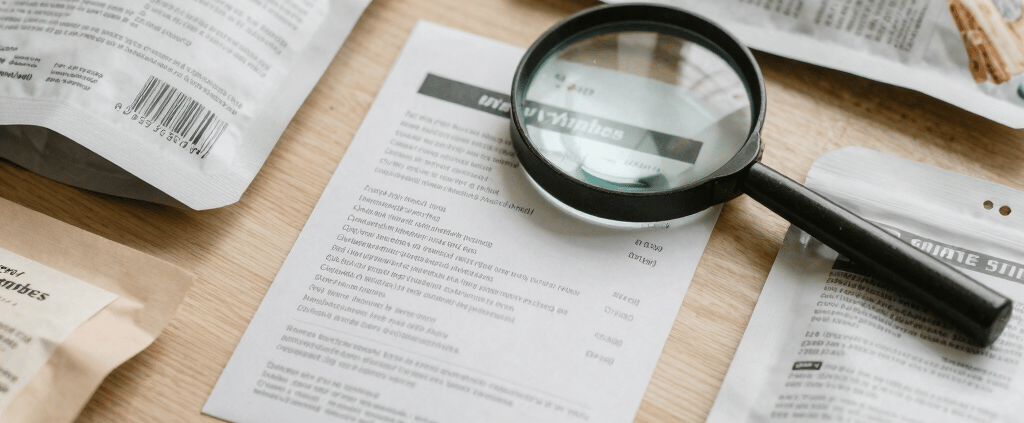
When I pick up any packaged product, I go through this quick checklist:
Step 1 — Look for the "gluten-free" claim on the front of the packaging. If it's there, check it's certified (look for the Coeliac Australia crossed grain symbol if possible).
Step 2 — Read the ingredients list and scan for any of the hidden gluten names listed above.
Step 3 — Check the allergen statement — in Australia this usually appears in bold or in a separate "Contains:" statement at the end of the ingredients. Look for wheat, barley, rye, oats.
Step 4 — Check the advisory statement — "May contain traces of wheat/gluten." Decide based on your sensitivity level and where you are in your healing journey.
Step 5 — When in doubt, leave it out. If you're unsure and can't contact the manufacturer, the safest choice is to put it back on the shelf.
Useful Tools for Gluten-Free Shopping in Australia
Coeliac Australia's Ingredient List
Coeliac Australia maintains an updated list of unsafe ingredients and a directory of gluten-free products. Their website (coeliac.org.au) is an excellent reference.
The Gluten Free Passport App
Useful when travelling or eating out — helps communicate your dietary needs in multiple languages.
Fig App
A food scanning app that allows you to filter products by dietary requirements including gluten-free. Scan the barcode in the supermarket and get instant information.
Simply contact the manufacturer
When in doubt about a specific product, most Australian manufacturers have customer service lines or email contacts. Don't hesitate to ask directly — it's your health.
Eating Out — A Quick Note
Reading labels at home is one thing. Eating out is another challenge entirely — and one that deserves its own article. But the key principles are the same: ask questions, don't assume, and never feel embarrassed about advocating for your own health.
A good restaurant will take your needs seriously. If they can't answer your questions confidently, that tells you something important.
Final Thoughts
Learning to read labels is a skill — and like any skill, it gets faster and easier with practice. Within a few weeks of diagnosis, I could scan an ingredient list in seconds. Now it's second nature.
Be patient with yourself in the early days. You will make mistakes — I did. The goal isn't perfection, it's progress. Every label you read carefully is one step closer to protecting your gut and feeling well.
Next read: [Eating Gluten-Free in Perth: My Favourite Cafes and Tips →]
Disclaimer: This post is based on my personal experience and general health information. Australian food labelling regulations are subject to change — always verify current standards with FSANZ or Coeliac Australia. Always consult a qualified medical professional for diagnosis and treatment.
References:
Food Standards Australia New Zealand (FSANZ). Standard 1.2.3 — Mandatory Warning and Advisory Statements and Declarations, 2021.
Coeliac Australia. Ingredients to avoid. coeliac.org.au
Biesiekierski JR, et al. Gluten causes gastrointestinal symptoms in subjects without celiac disease. American Journal of Gastroenterology, 2011.
VitalAura
A wellness blog focused on healthy living, gut health, food intolerances, and realistic wellness for women after 30.
Contact
Newsletter
© 2026 VitalAura. All rights reserved.